WHERE IT BEGAN
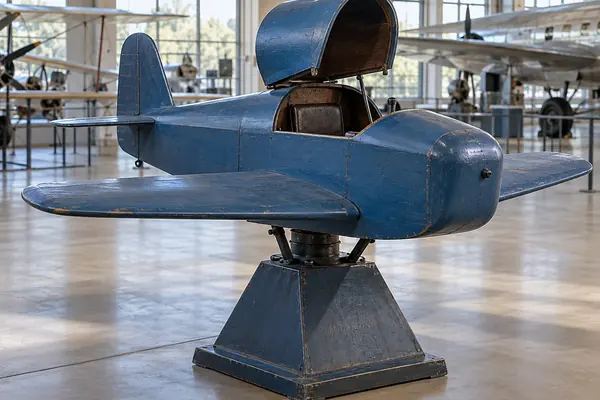
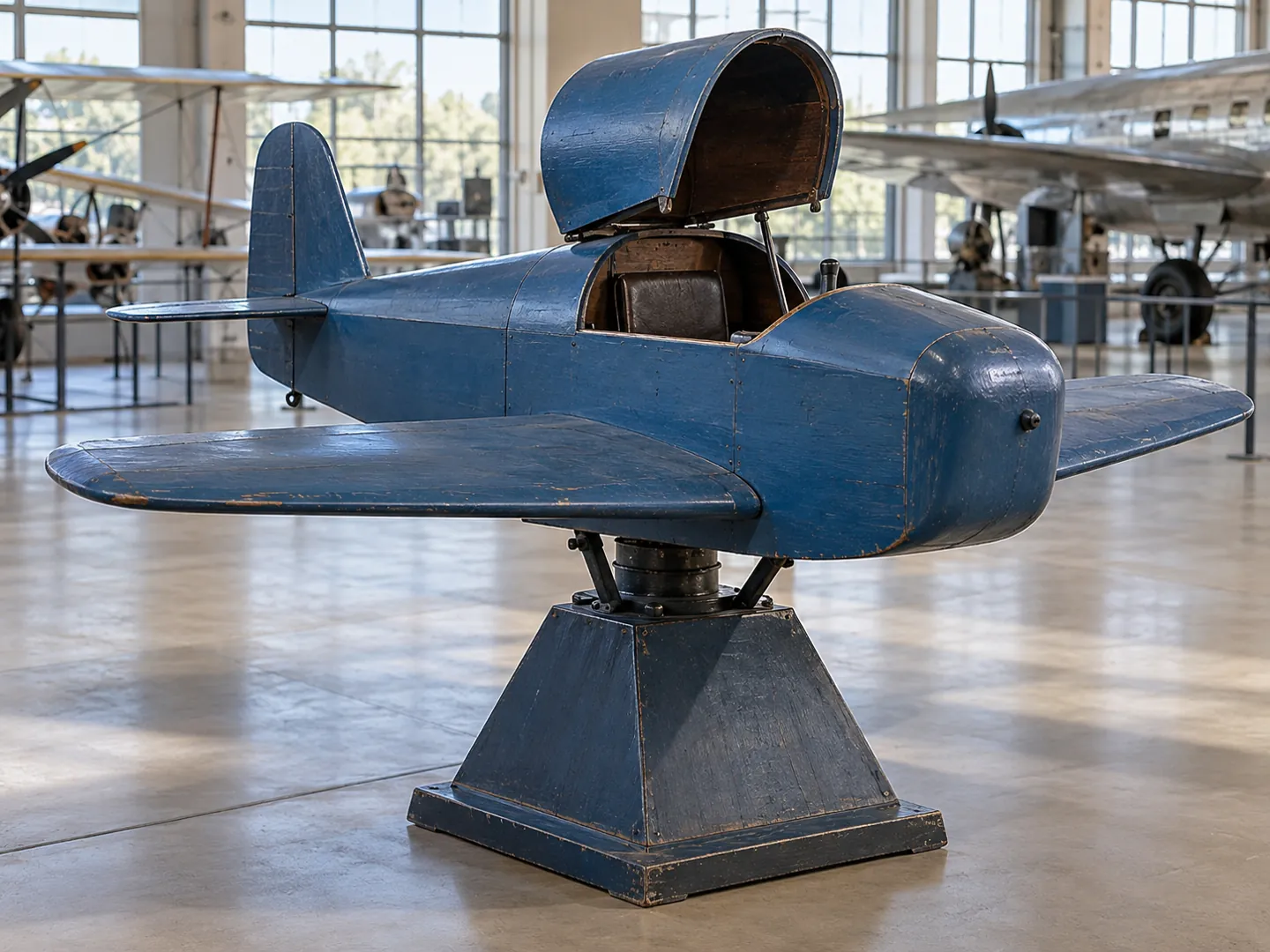
The 1929 Link Trainer
Built to teach instrument flying safely, it used pumps, valves and bellows from an organ business to respond to the pilot's controls.
What sims are for doodlesims
HOW FLIGHT SIMULATORS WORK
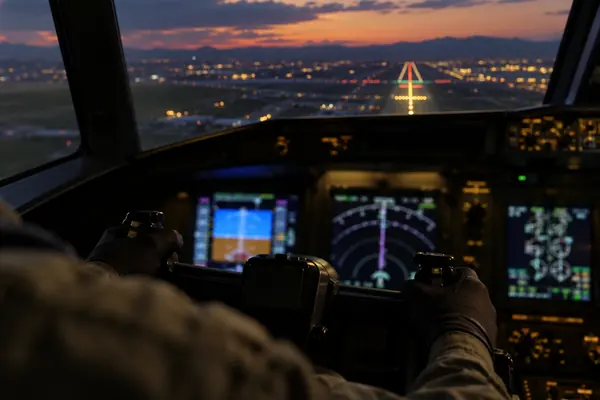
Some of a pilot's hardest flying happens indoors.
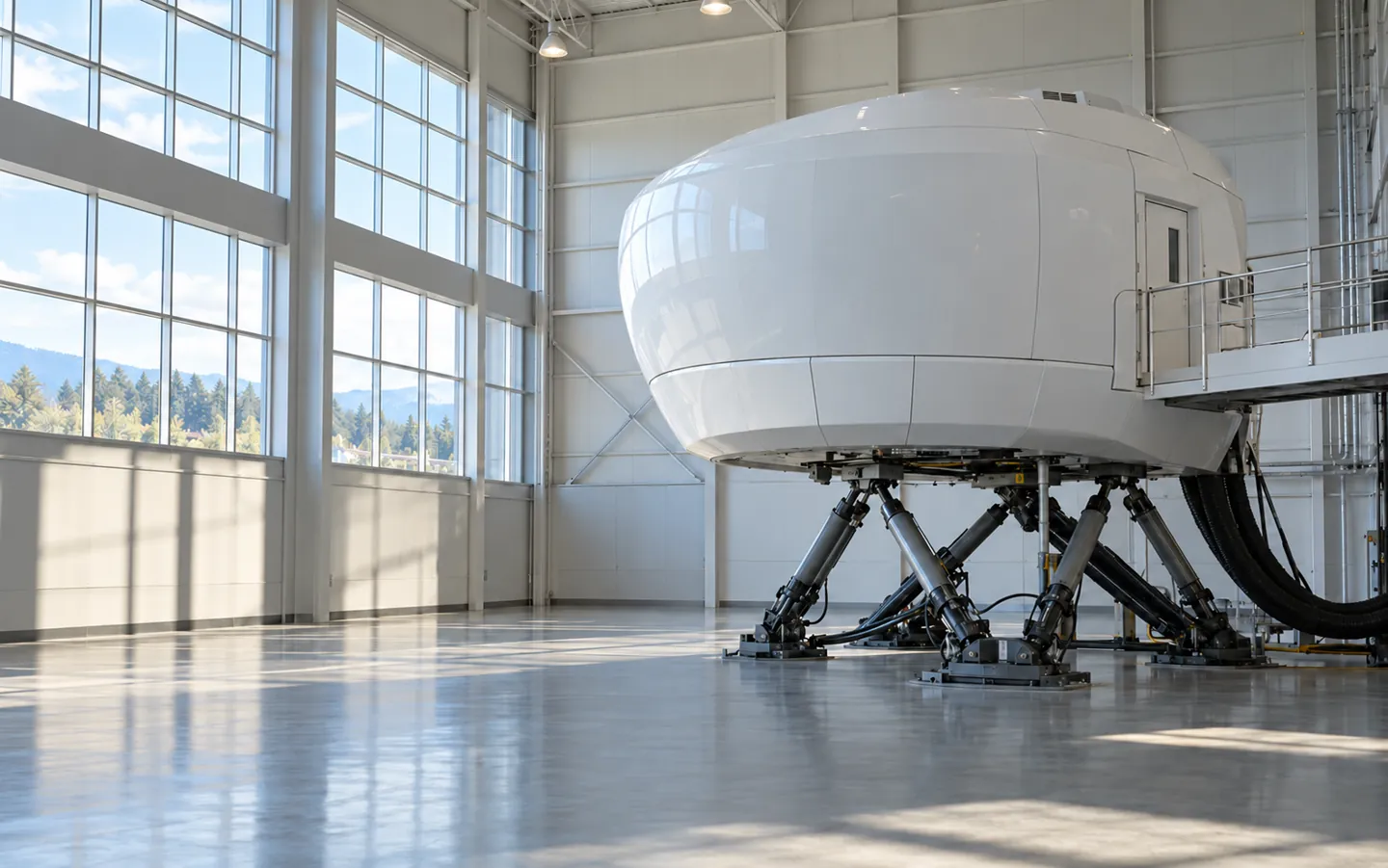
Flight simulators began as a safe way to teach flying by instruments. Today regulators grade them by how faithfully they copy a real aircraft, and the best can move a cockpit in all six directions an aircraft can.
SIX AXES no runway needed
Compare the simsTHE SHORT ANSWER
A simulator reacts to the controls like the aircraft.
The question is how closely.
WHERE IT BEGAN
Built to teach instrument flying safely, it used pumps, valves and bellows from an organ business to respond to the pilot's controls.
What sims are forFULL MOTION
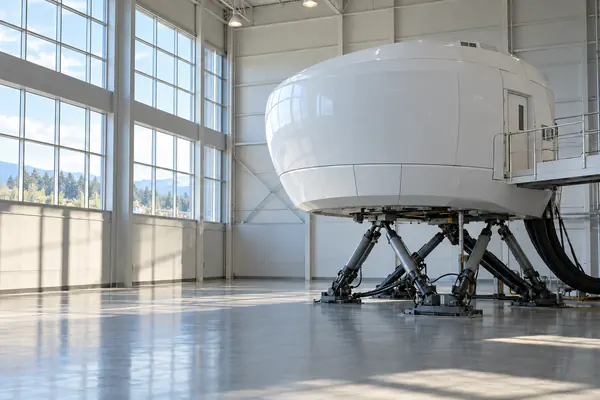
The most capable simulators, like NASA's, move in all six degrees of freedom: three straight-line movements plus roll, pitch and yaw.
Compare the simsTHE GRADES
In the US, the FAA qualifies full flight simulators at levels A to D and simpler flight training devices at levels 4 to 7.
See the numbers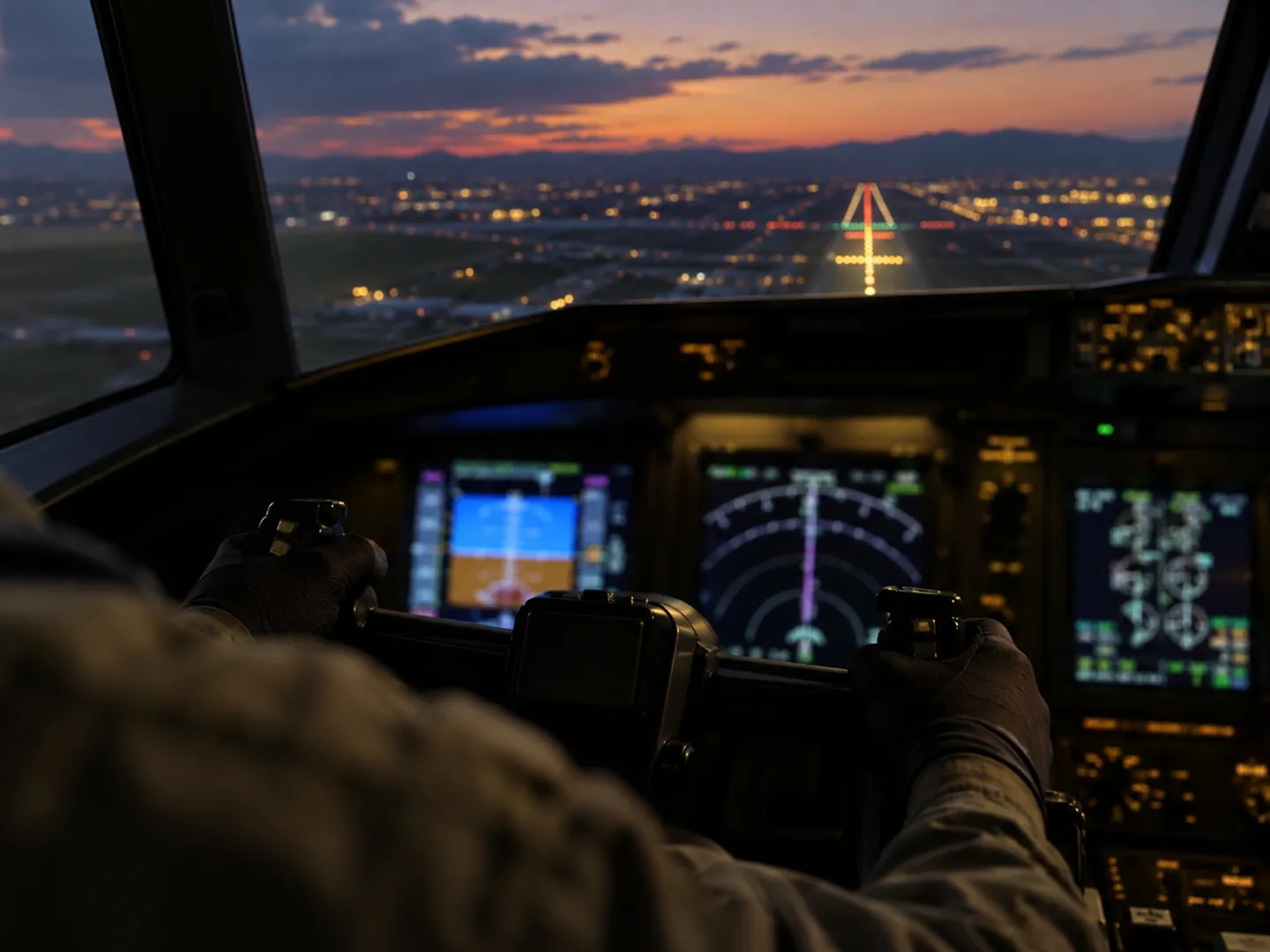
WHAT THEY ARE USED FOR
Simulators are not only for learning to fly. The sources describe four quite different uses.
The original purpose of the Link Trainer: learning to fly by the instruments alone, safely on the ground.
The FAA publishes bulletins on qualifying simulators for full stall training and upset prevention and recovery training.
NASA uses its simulator to check handling qualities and find design problems before a vehicle is built.
The Vertical Motion Simulator has simulated lunar landers, where one-sixth gravity makes flying feel very different.
TWO NUMBERS WORTH KNOWING
One figure from the first simulators,
one from the biggest working today.
500,000+
US pilots trained on Link simulators
More than 500,000 US pilots trained on Link simulators, as did pilots from countries including Australia, Canada, Germany, the UK, Japan and the USSR.
HISTORY · DE HAVILLAND AIRCRAFT MUSEUM
60 ft
Vertical travel of the world's largest motion simulator
NASA's Vertical Motion Simulator moves as much as 60 feet vertically and 40 feet horizontally, with motion in all six degrees of freedom.
RESEARCH · NASA AMES
Every NASA space shuttle pilot received training in the Vertical Motion Simulator, which has also modelled the Apollo Lunar Module and docking with the International Space Station.
A QUICK COMPARISON
Pick a kind of simulator to see what it can do. The bar shows how much motion and realism it offers, from the sources below.
Based on the de Havilland Aircraft Museum, NASA and FAA National Simulator Program pages. General information.
WHERE IT BEGAN
The Link Trainer was created in 1929 out of the need for a safe way to teach new pilots to fly by instruments. Its inventor drew on pumps, valves and bellows from his father's piano and organ company to make a trainer that answered the controls.
Link Trainers were produced from the early 1930s to the early 1950s. Today the FAA's National Simulator Program sets the standards for flight simulation training devices in 14 CFR part 60, and in 2026 issued a bulletin on qualifying devices that use extended reality systems.
Questions
The Link Trainer, one of the best-known early simulators, was created in 1929 to teach pilots to fly by instruments, according to the de Havilland Aircraft Museum.
They are the FAA's qualification levels for full flight simulators under 14 CFR part 60, with Level D the highest. Simpler flight training devices are graded at levels 4 to 7.
The six ways an aircraft moves: forward and back, up and down, left and right, plus roll, pitch and yaw. Full-motion simulators try to reproduce all six.
NASA calls its Vertical Motion Simulator at Ames Research Center the world's largest motion flight simulator. It moves up to 60 feet vertically and 40 feet horizontally.
The de Havilland Aircraft Museum in the UK offers sessions in its historic Link Trainer for visitors aged 18 or over, with an experienced pilot briefing.
Updated
ABOUT THIS NAME
doodlesims.com is part of the DoodleSale portfolio. It isn't in an auction right now, but you can ask about leasing it.